
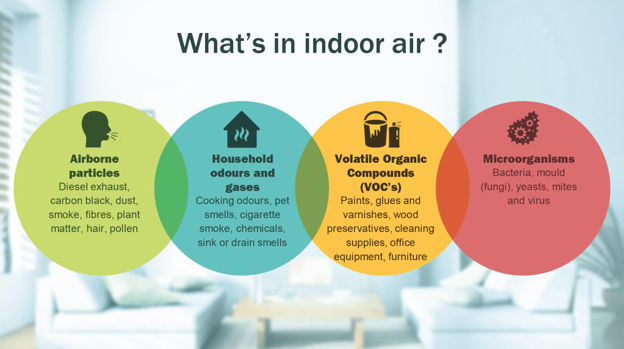
Indoor Air Quality (IAQ) problems rarely appear overnight. Most issues develop quietly over time — often weeks or months before occupants begin reporting headaches, odours, moisture concerns, or general discomfort. A professional IAQ inspection identifies the root cause of these problems and provides a clear plan to correct them.
This guide explains what an IAQ assessment includes, why each step matters, and how building owners in Alberta can use IAQ inspections to improve health, comfort, and regulatory compliance.
- Building History & Occupant Interviews
Understanding the building’s history is essential for diagnosing IAQ issues. During an inspection, I review:
• Renovation or construction timelines
• Seasonal changes affecting HVAC performance
• Water intrusion or moisture events
• Changes in occupancy or operations
• Patterns in occupant symptoms
Occupant interviews often reveal clues that aren’t visible during a walkthrough — such as symptoms that worsen at certain times of day or in specific rooms. - Detailed Visual Inspection
A visual inspection is the foundation of every IAQ assessment. This step identifies early warning signs of:
- Moisture intrusion
- Mold growth or staining
- Blocked or damaged ventilation components
- Poor housekeeping affecting airflow
- Chemical storage issues
- Damaged insulation or filters
Most IAQ problems can be traced back to something visible — if you know what to look for.
3. Ventilation & Airflow Assessment
Ventilation issues are among the most common IAQ problems in Alberta buildings. During an inspection, I measure:
- Outdoor air supply
- Exhaust system performance
- Pressure relationships between rooms
- Airflow distribution
- HVAC system functionality
Poor ventilation leads to elevated CO₂, odours, discomfort, and increased contaminant buildup — especially in tightly sealed buildings.
4. Air Sampling (If needed)
Air sampling is targeted, not generic. It’s used to confirm observations or quantify concerns. Depending on the situation, sampling may include:
- Mold spores
- VOCs (volatile organic compounds)
- Carbon dioxide
- Carbon monoxide
- Particulates (PM2.5, PM10)
- Temperature and humidity
Sampling answers specific questions — it should never be the first step.
5. Reporting & Recommendations
A professional IAQ report includes:
- Clear findings
- Root cause analysis
- Corrective actions
- Preventive measures
- Photos and data
- Regulatory or guideline references
The goal is to give building owners a practical roadmap, not just a list of problems.
Why IAQ Inspections Matter
A well‑executed IAQ inspection:
- Reduces occupant complaints
- Prevents moisture and mold issues
- Improves HVAC performance
- Supports regulatory compliance
- Protects health and productivity
- Saves money by addressing issues early
IAQ problems rarely resolve on their own. They require a systematic, evidence‑based approach — and that’s exactly what a professional inspection provides.