
Tag: Indoor air quality

  • What an Indoor Air Quality (IAQ) Inspection Actually Includes

    What an Indoor Air Quality (IAQ) Inspection Actually Includes

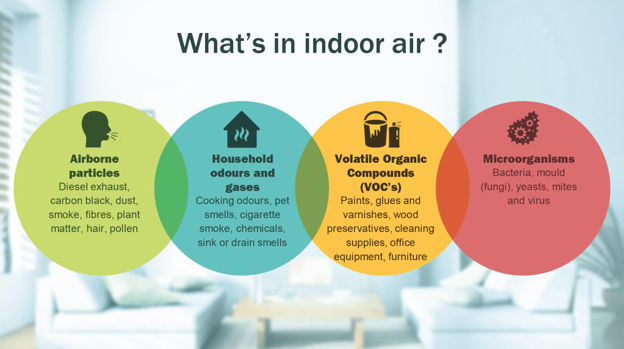
    Indoor Air Quality (IAQ) problems rarely appear overnight. Most issues develop quietly over time — often weeks or months before occupants begin reporting headaches, odours, moisture concerns, or general discomfort. A professional IAQ inspection identifies the root cause of these problems and provides a clear plan to correct them.

    This guide explains what an IAQ assessment includes, why each step matters, and how building owners in Alberta can use IAQ inspections to improve health, comfort, and regulatory compliance.

    1. Building History & Occupant Interviews
      Understanding the building’s history is essential for diagnosing IAQ issues. During an inspection, I review:
      • Renovation or construction timelines
      • Seasonal changes affecting HVAC performance
      • Water intrusion or moisture events
      • Changes in occupancy or operations
      • Patterns in occupant symptoms
      Occupant interviews often reveal clues that aren’t visible during a walkthrough — such as symptoms that worsen at certain times of day or in specific rooms.
    2. Detailed Visual Inspection

    A visual inspection is the foundation of every IAQ assessment. This step identifies early warning signs of:

    • Moisture intrusion
    • Mold growth or staining
    • Blocked or damaged ventilation components
    • Poor housekeeping affecting airflow
    • Chemical storage issues
    • Damaged insulation or filters

    Most IAQ problems can be traced back to something visible — if you know what to look for.

    3. Ventilation & Airflow Assessment

    Ventilation issues are among the most common IAQ problems in Alberta buildings. During an inspection, I measure:

    • Outdoor air supply
    • Exhaust system performance
    • Pressure relationships between rooms
    • Airflow distribution
    • HVAC system functionality

    Poor ventilation leads to elevated CO₂, odours, discomfort, and increased contaminant buildup — especially in tightly sealed buildings.

    4. Air Sampling (If needed)

    Air sampling is targeted, not generic. It’s used to confirm observations or quantify concerns. Depending on the situation, sampling may include:

    • Mold spores
    • VOCs (volatile organic compounds)
    • Carbon dioxide
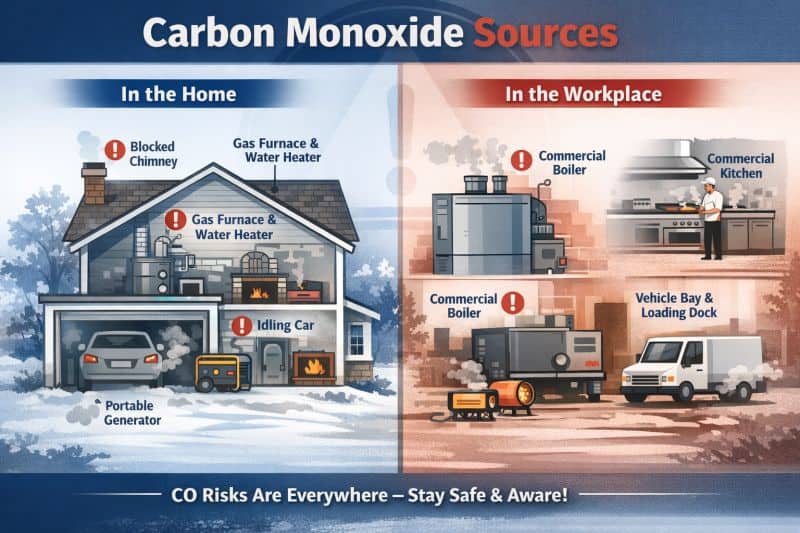
    • Carbon monoxide
    • Particulates (PM2.5, PM10)
    • Temperature and humidity

    Sampling answers specific questions — it should never be the first step.

    5. Reporting & Recommendations

    A professional IAQ report includes:

    • Clear findings
    • Root cause analysis
    • Corrective actions
    • Preventive measures
    • Photos and data
    • Regulatory or guideline references

    The goal is to give building owners a practical roadmap, not just a list of problems.

    Why IAQ Inspections Matter

    A well‑executed IAQ inspection:

    • Reduces occupant complaints
    • Prevents moisture and mold issues
    • Improves HVAC performance
    • Supports regulatory compliance
    • Protects health and productivity
    • Saves money by addressing issues early

    IAQ problems rarely resolve on their own. They require a systematic, evidence‑based approach — and that’s exactly what a professional inspection provides.

  • The Hidden Costs of Poor Indoor Air Quality for Calgary Businesses

    The Hidden Costs of Poor Indoor Air Quality for Calgary Businesses

    Indoor air quality (IAQ) issues rarely begin with dramatic symptoms. More often, they start quietly: a few employee complaints, a bit of afternoon stuffiness, or a persistent odour that lingers after the weekend. These small discomforts are easy to dismiss — but over time, they create real operational and financial consequences for Calgary businesses.

    In a city with a dry climate, long heating seasons, and tightly sealed commercial buildings, IAQ challenges are both common and preventable. Understanding the early warning signs and underlying causes can help organizations protect employee well‑being, maintain productivity, and avoid costly disruptions.

    Why IAQ Problems Are So Common in Calgary

    Calgary’s unique environmental and building conditions create a perfect storm for IAQ issues. In my fieldwork across Alberta, the same three root causes appear again and again:

    • Ventilation imbalance — Too much recirculated air and not enough fresh outdoor air entering the building. This is especially common in energy‑efficient buildings or systems that haven’t been rebalanced in years.
    • Particulate load — Dust and fine particles from construction, traffic corridors, mechanical systems, or internal activities. Calgary’s rapid development and frequent renovation cycles make this a recurring challenge.
    • Humidity mismanagement — Our dry winters often push indoor humidity far below comfortable levels, while summer cooling systems can create the opposite problem. Both extremes affect comfort, respiratory health, and even building materials.

    These issues rarely stay “minor.” Left unaddressed, they quietly erode the workplace environment.

    The Real Business Impact: More Than Just Comfort

    Poor indoor air quality affects far more than how a space feels. The hidden costs show up in:

    • Reduced productivity — Even mild discomfort or odour can reduce focus and cognitive performance.
    • Increased absenteeism — Employees experiencing headaches, irritation, or fatigue are more likely to miss work.
    • Lower morale and trust — When workers feel the environment is unhealthy, confidence in leadership declines.
    • Operational disruptions — Complaints escalate, investigations take time, and temporary fixes often cost more than proactive solutions.

    Healthy air isn’t just a compliance requirement — it’s a competitive advantage in attracting and retaining talent.

    Early Assessment Prevents 90% of the Problems I See

    Most IAQ issues can be resolved quickly when they’re caught early. A targeted assessment typically includes:

    • A walkthrough to identify visible or behavioural indicators
    • Key measurements (ventilation, particulates, humidity, CO₂, etc.)
    • A clear, prioritized action plan

    This approach restores comfort, reduces uncertainty, and gives employers confidence that they’re protecting their teams.

    In many cases, a simple adjustment — not a major overhaul — is all that’s needed.

    Healthy Air Is Good Business

    Calgary companies that invest in IAQ aren’t just preventing complaints. They’re improving performance, strengthening culture, and demonstrating genuine care for their people.

    In a competitive market, that matters.